
React templates
React website templates with real motion built in
Designer-built React + Tailwind templates — WebGL scenes, scroll-scrubbed video and liquid-glass UI — that you fill with a single prompt and publish on a shareable link.
- 27 full-site React templates plus header, hero and section blocks
- Distinct palettes, font pairings and motion profiles per template
- WebGL, cinematic scroll and 3D scenes with reduced-motion fallbacks
- Export any generated site as HTML, JavaScript or PHP
How it works
- Step 1
Pick a React template
Full sites, or assemble your own from header, hero and section blocks.
- Step 2
Describe your business
One prompt fills the copy — the design system and motion stay intact.
- Step 3
Publish or export
Share the live link, or download the code as HTML, JS or PHP.
React templates available right now
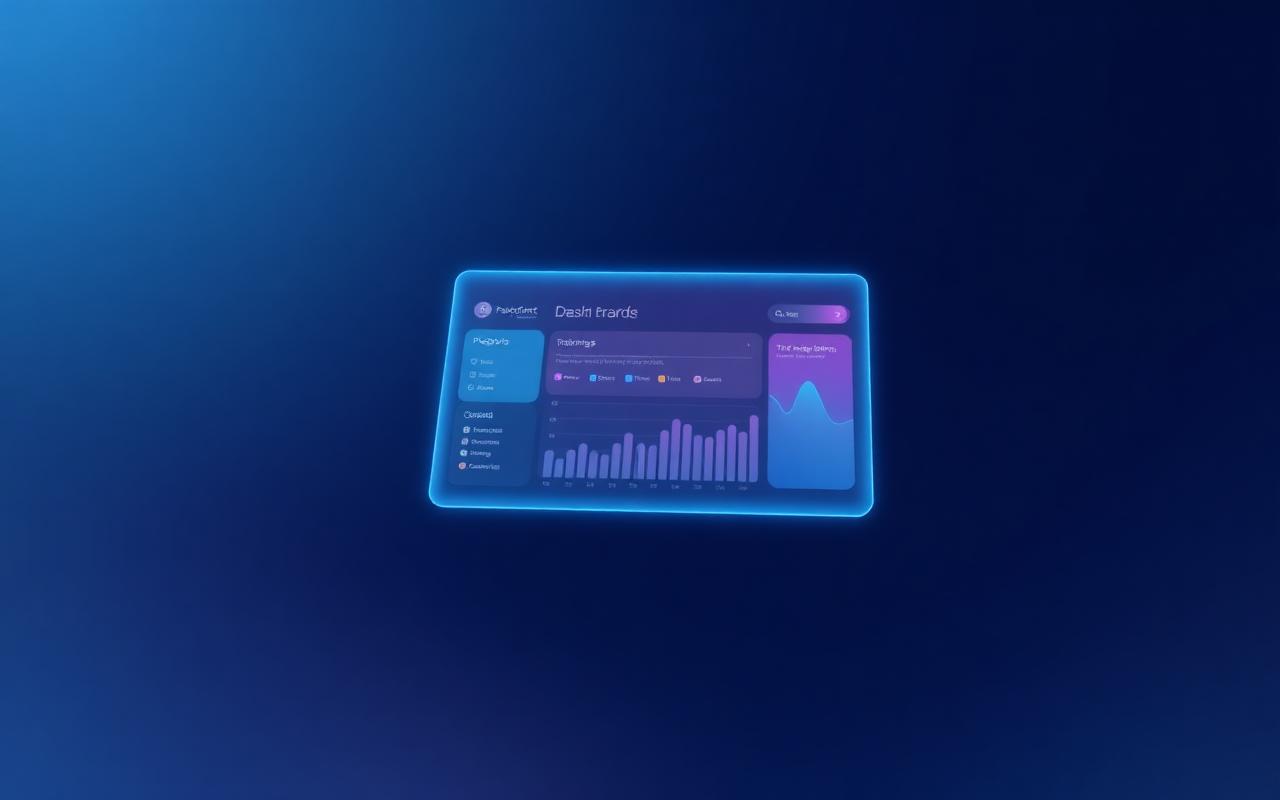
Aurora
Product-led landing page with feature grid, metrics and proof.

Meridian
Editorial studio site with services, selected work and clients.

Vessel
Single-product page with benefits, details and reviews.

Vantage
Dark, expressive personal portfolio with project index.
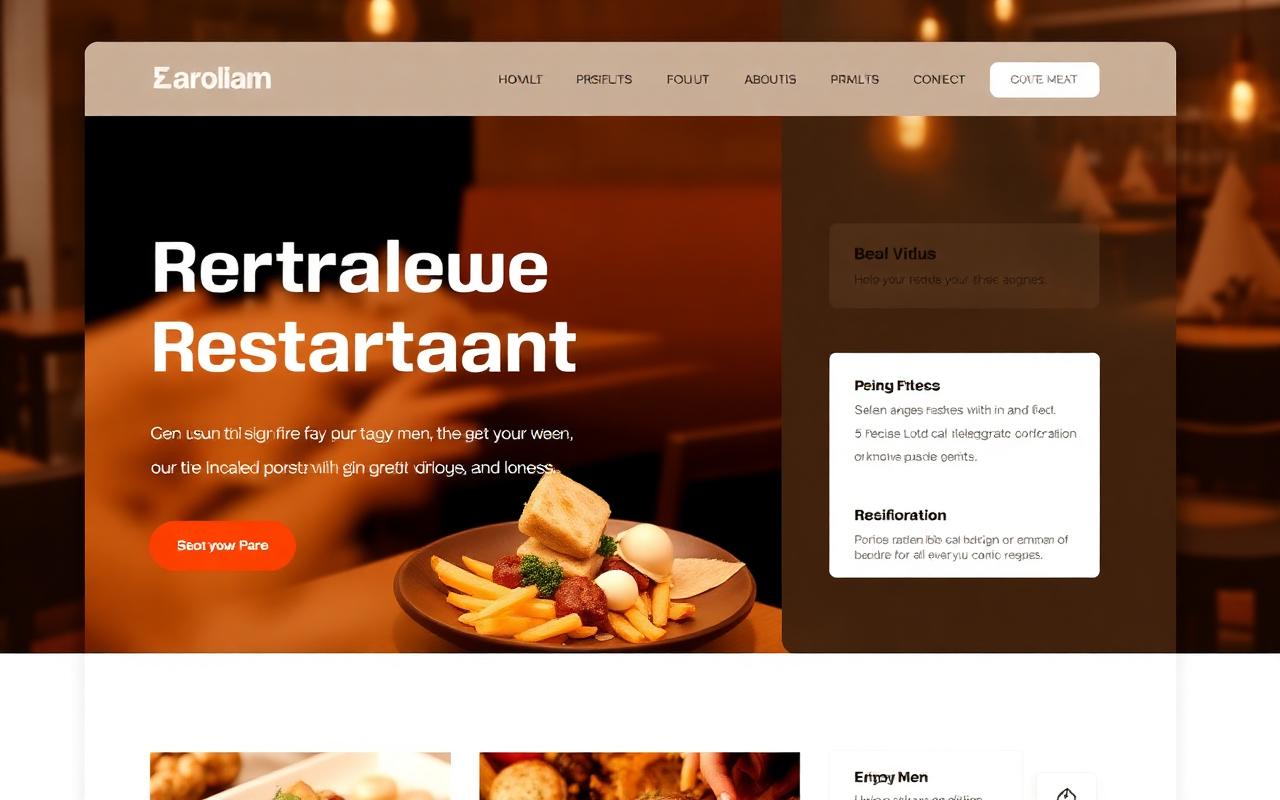
Harvest
Warm hospitality page with menu list, story and reviews.
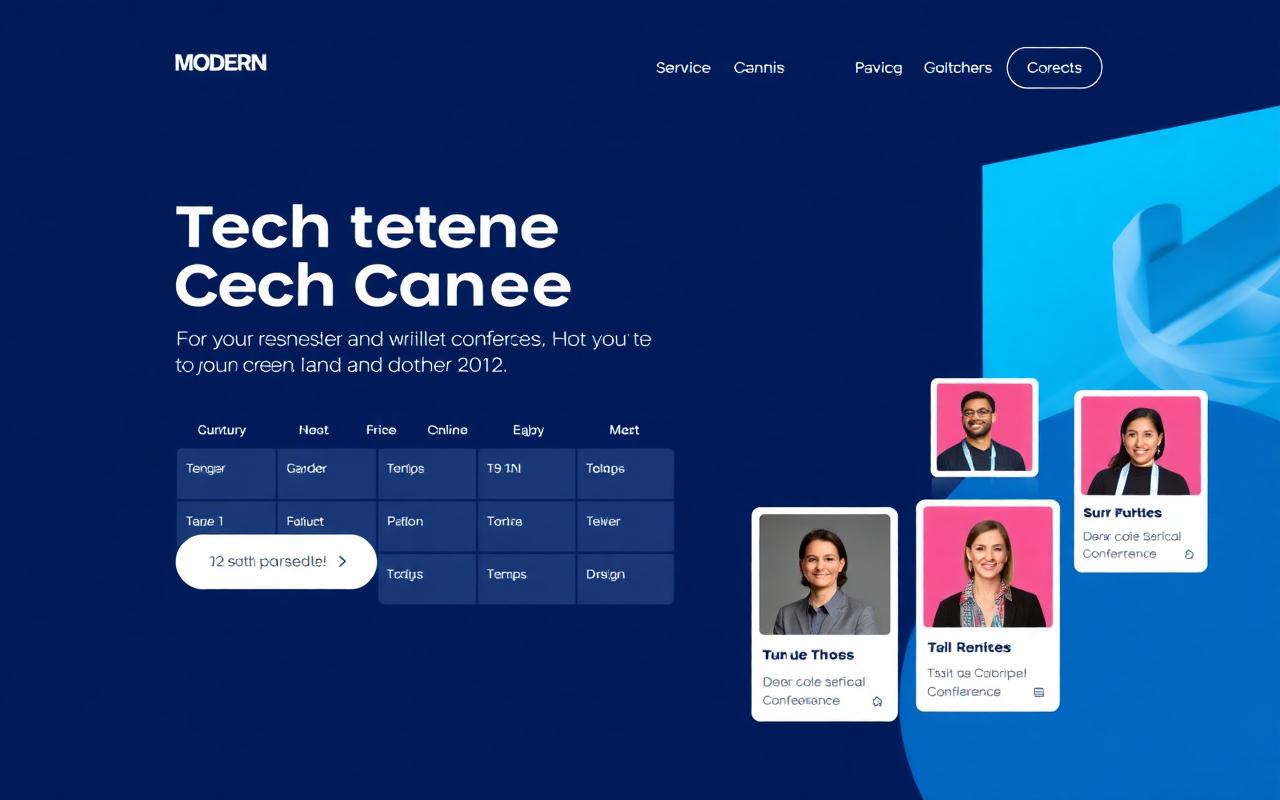
Summit
Event landing page with programme tracks and speakers.
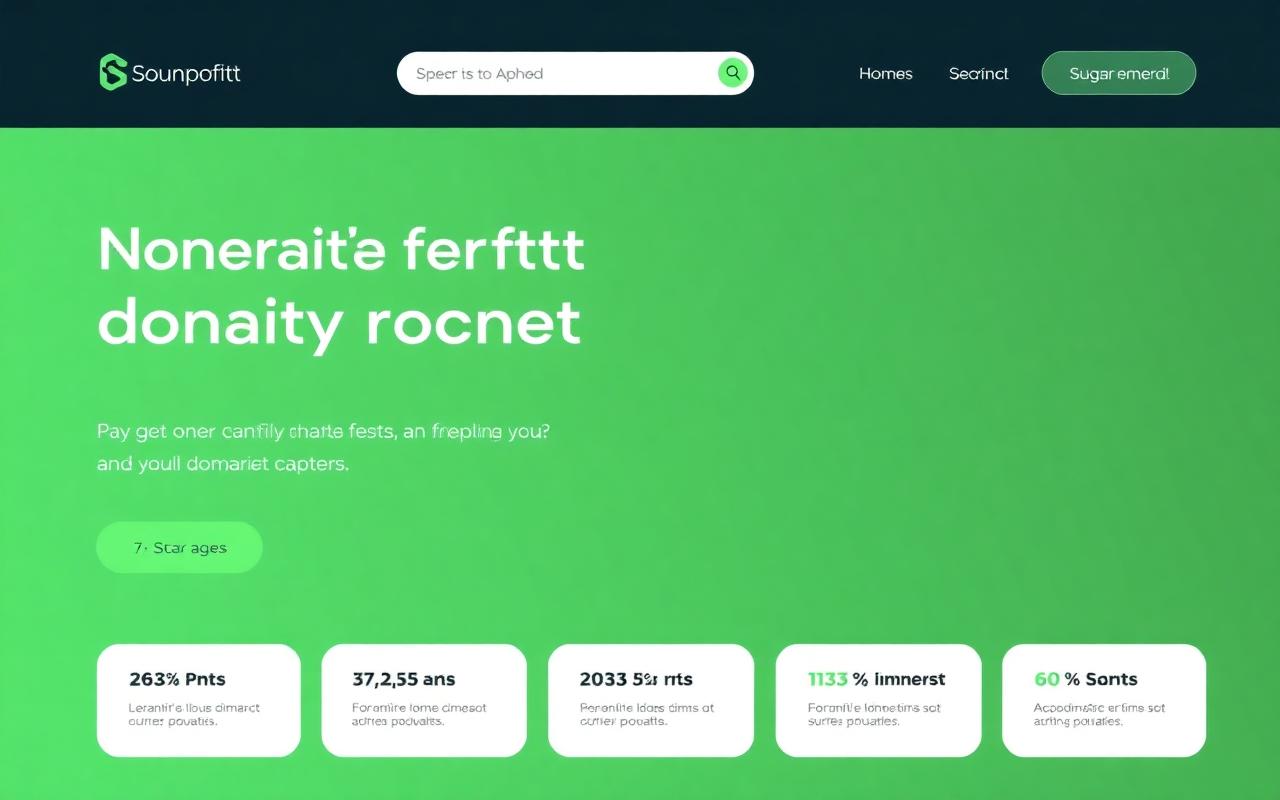
Haven
Cause-driven page with impact stats and donation call.
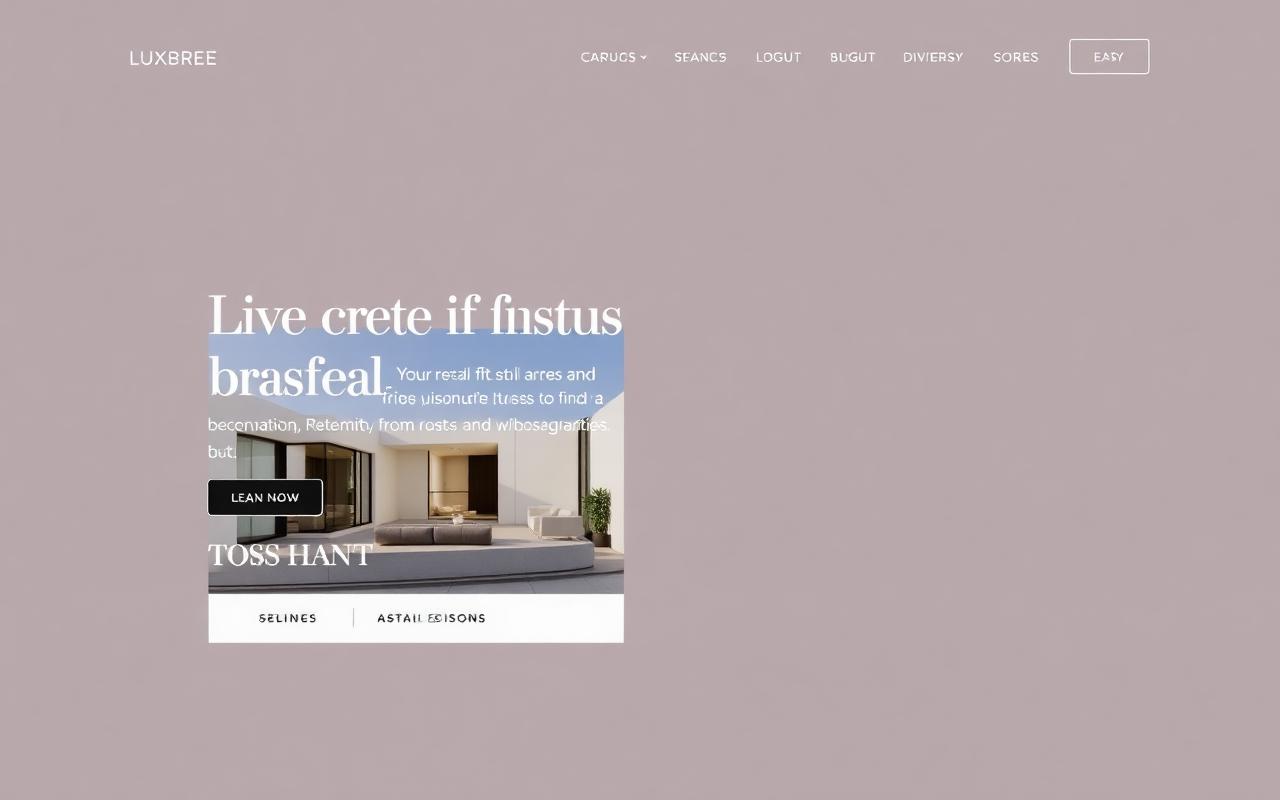
Harbor
Refined property listing with specs, rooms and agent proof.
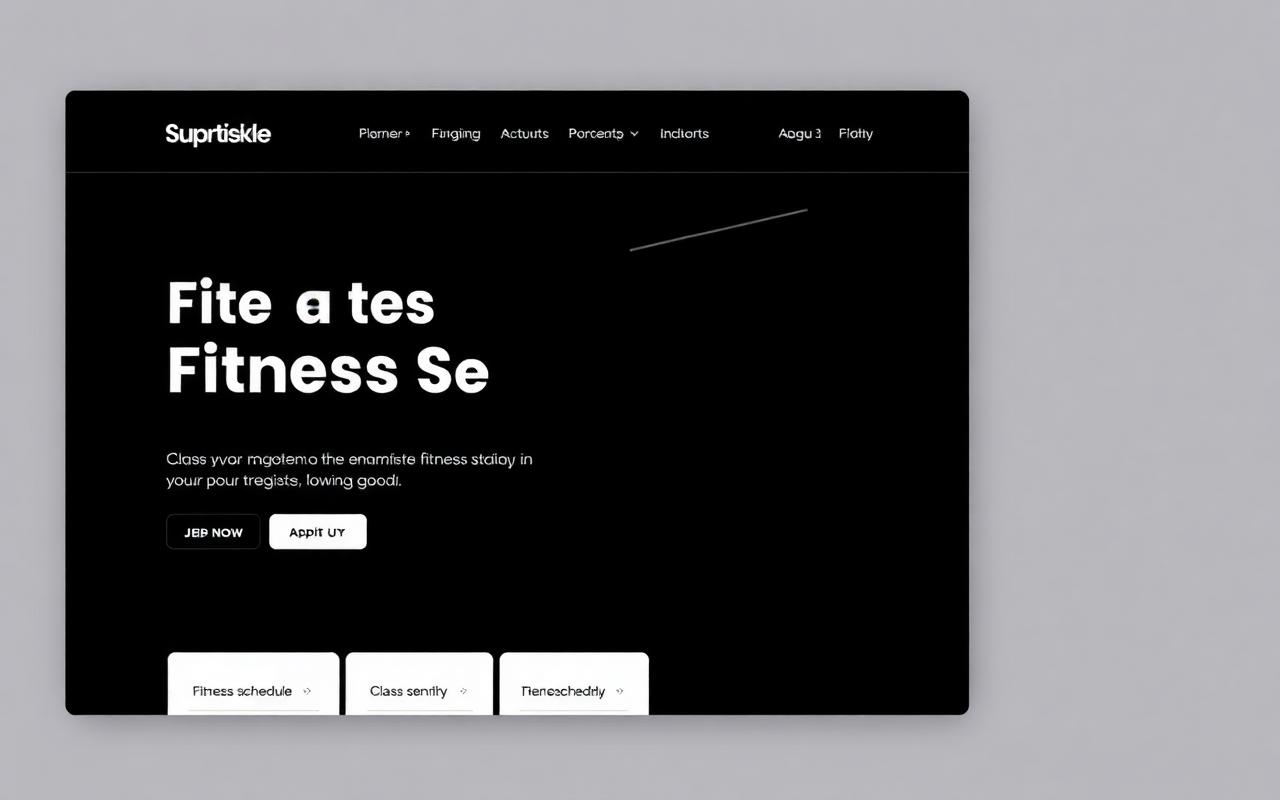
Pulse
High-energy studio page with class schedule and results.
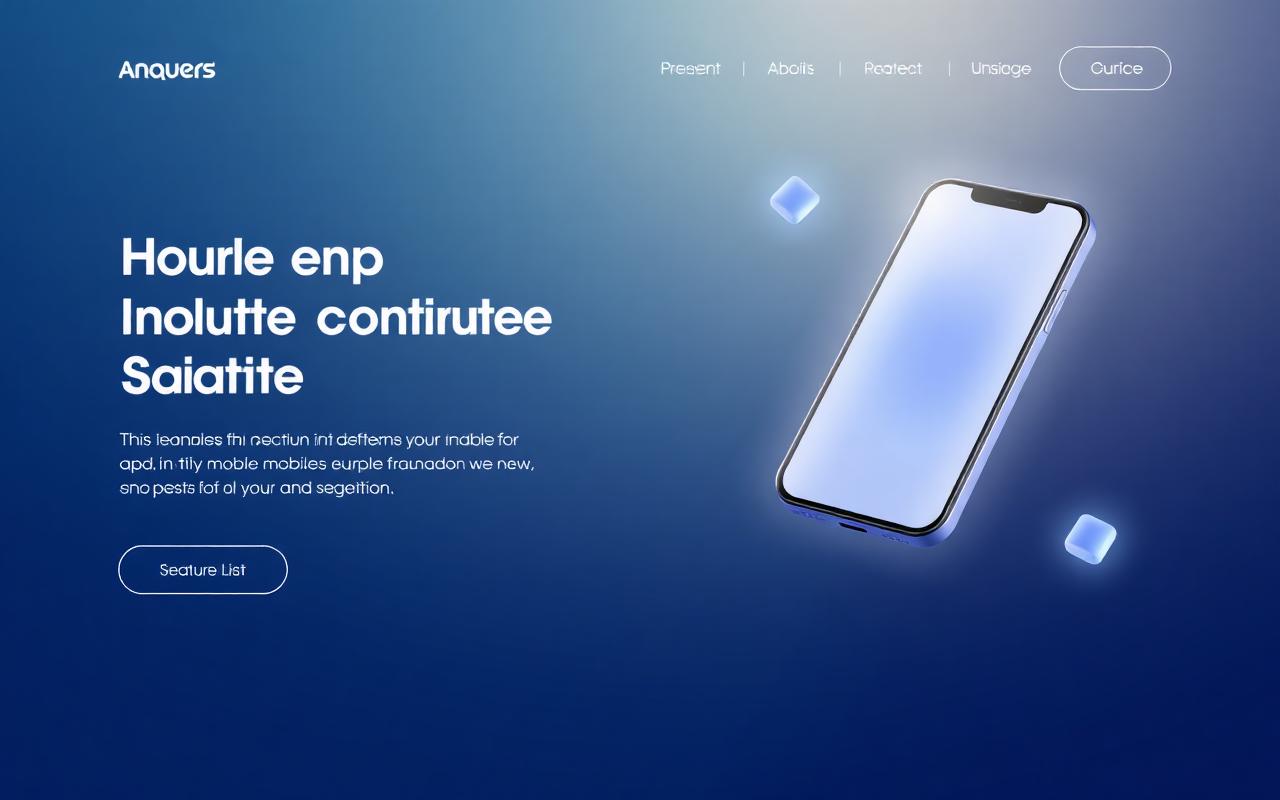
Orbit
App launch page with phone mockup, features and ratings.
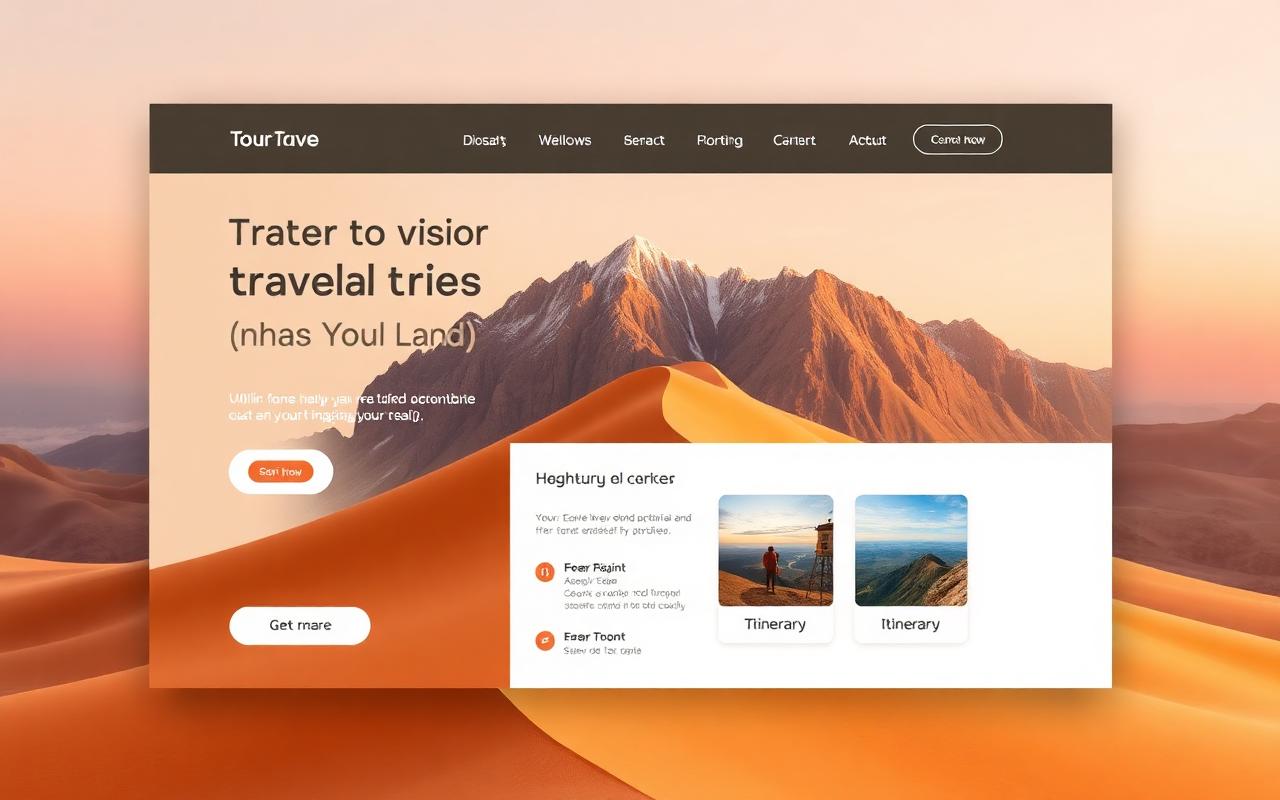
Atlas
Centred travel page with itineraries and trip stats.
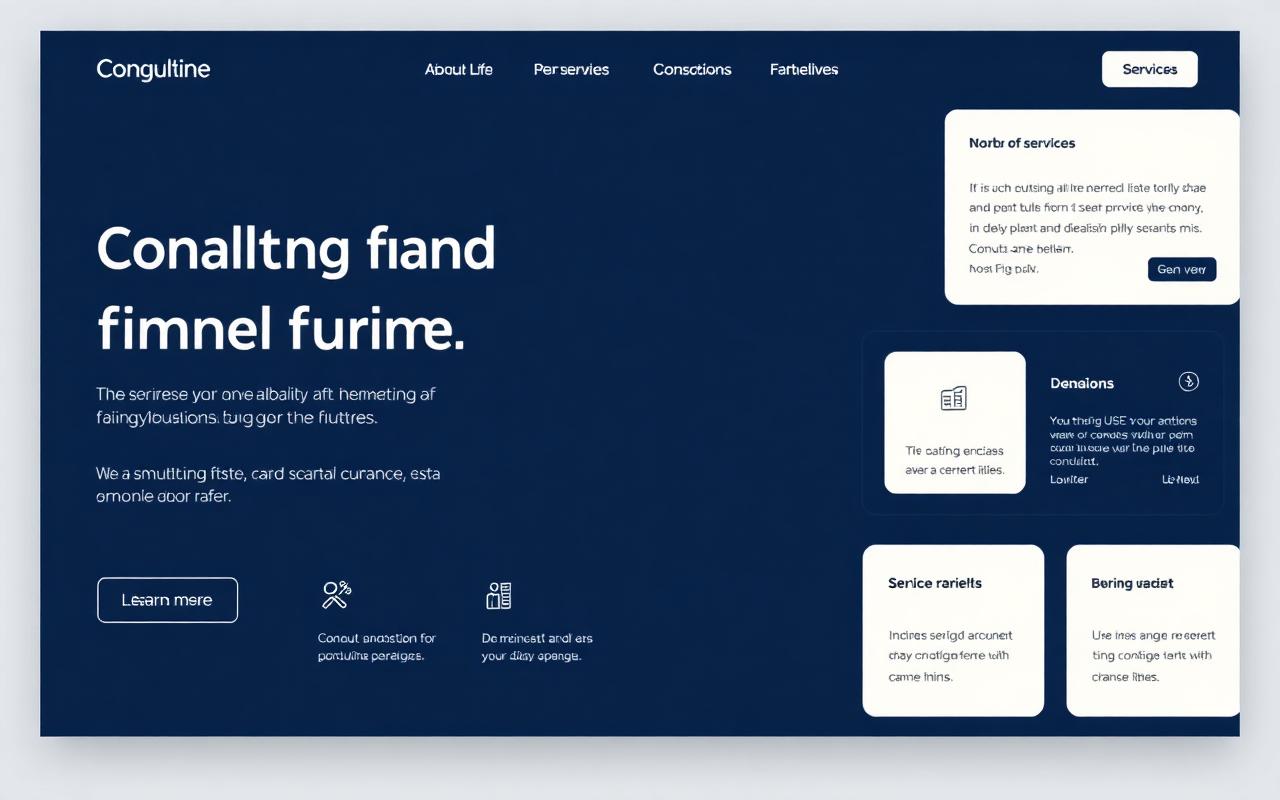
Beacon
Sober professional-services page with practice areas.
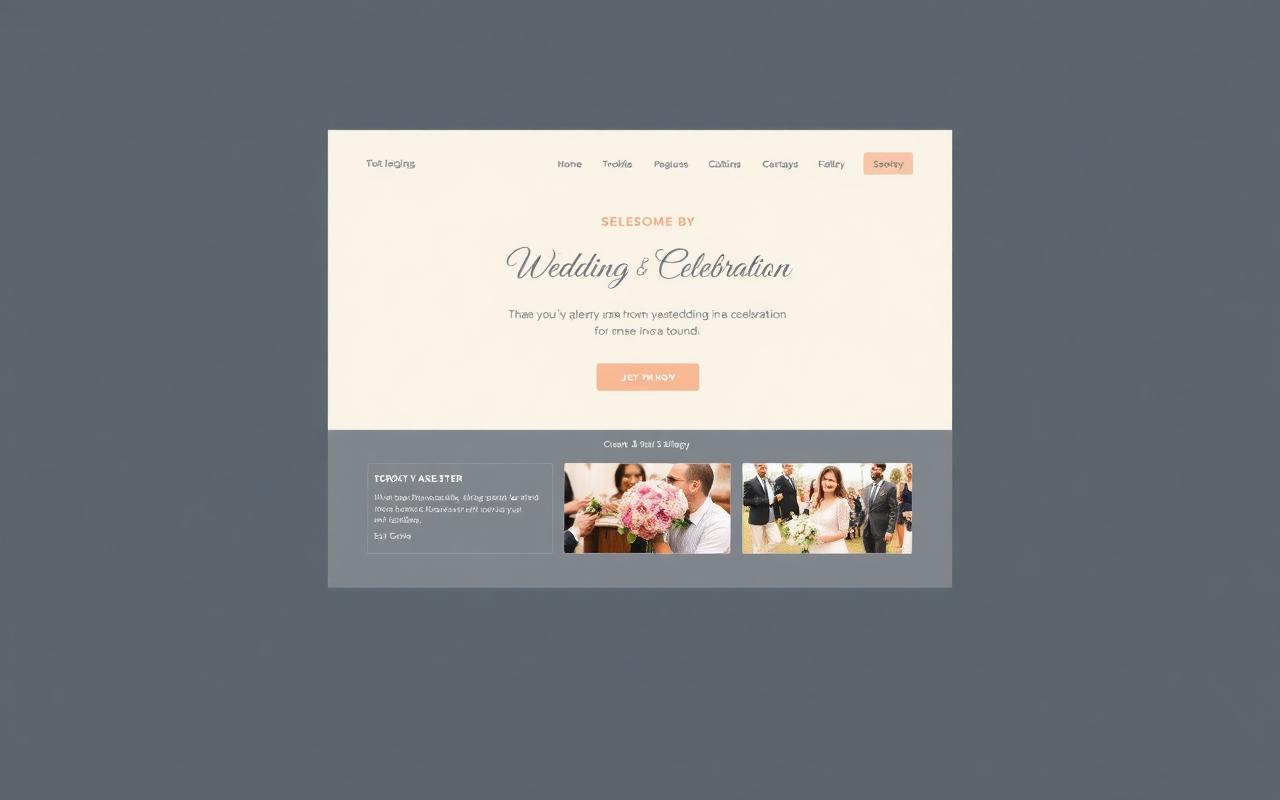
Bloom
Elegant celebration page with schedule timeline and moments.
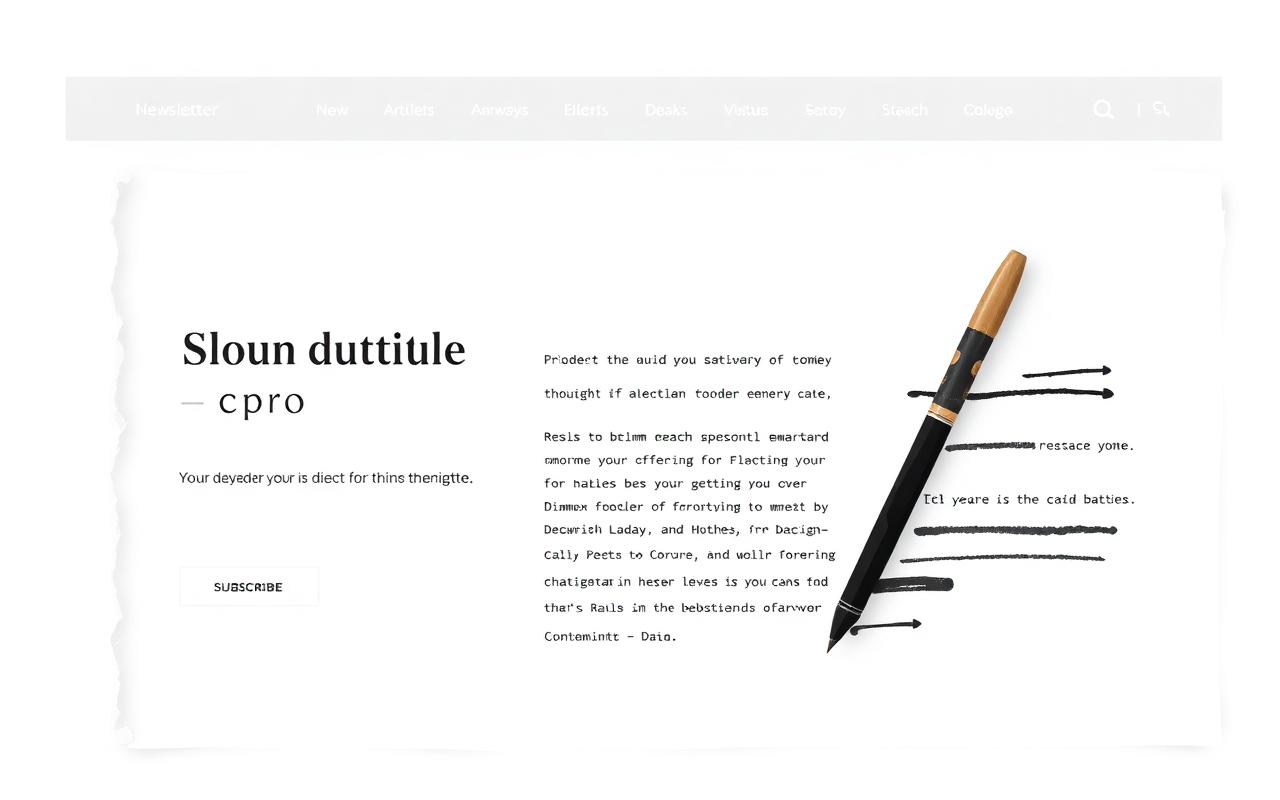
Quill
Reading-first newsletter page with issues and subscribe band.
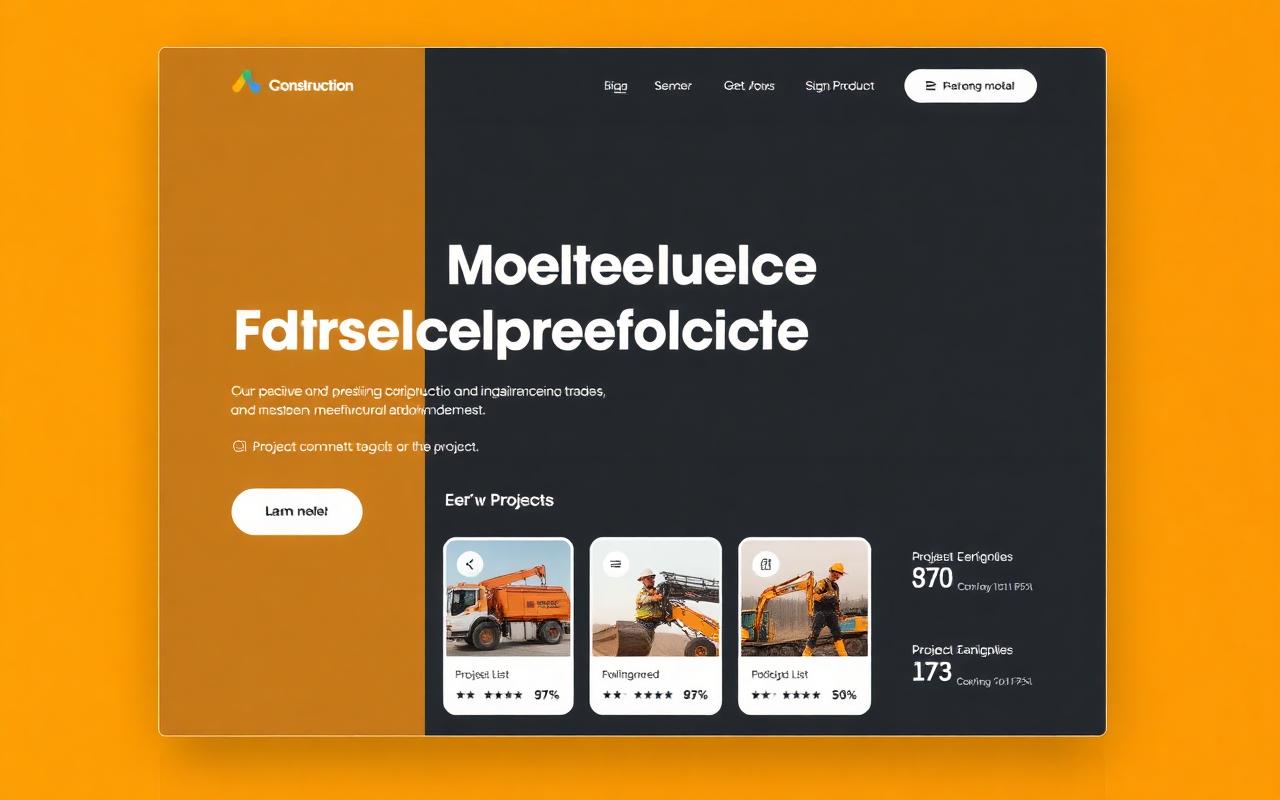
Forge
Heavy-duty contractor page with services and project log.
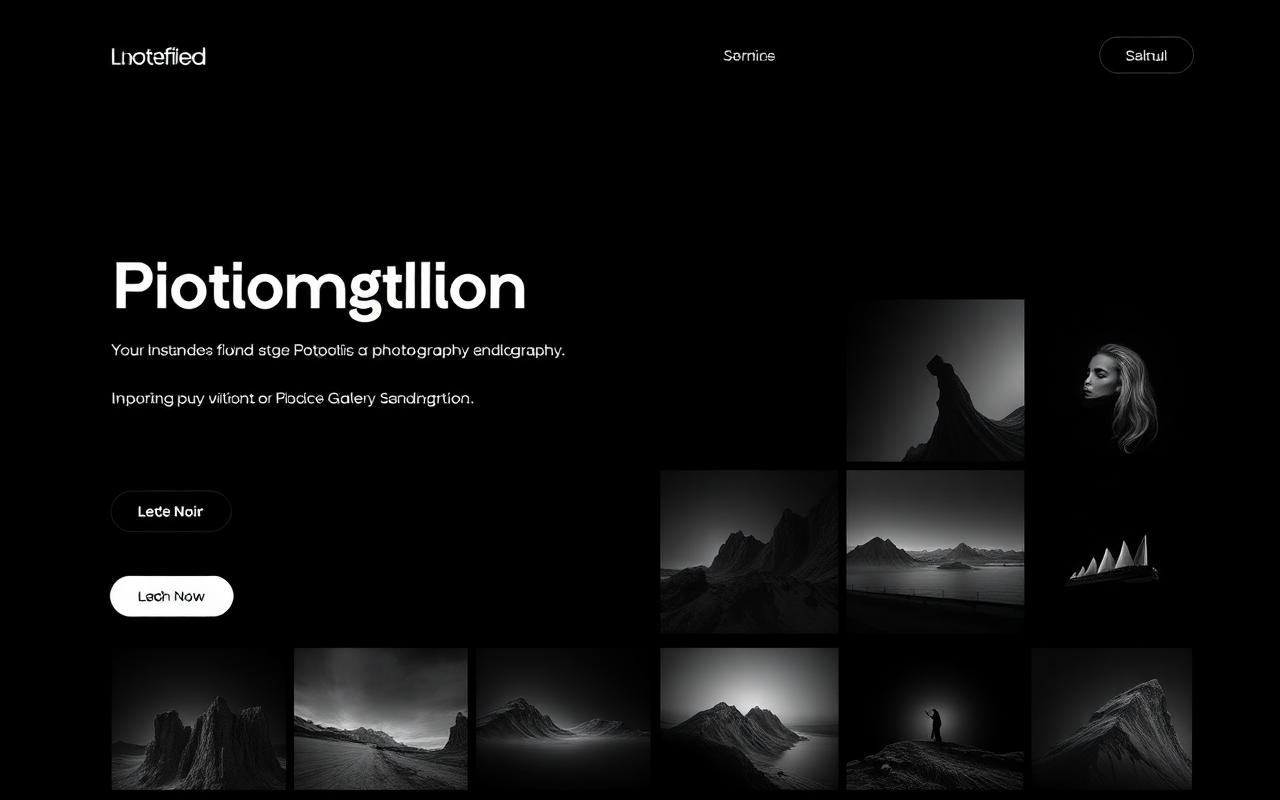
Lumen
Gallery-led studio page with a featured mosaic and sessions.
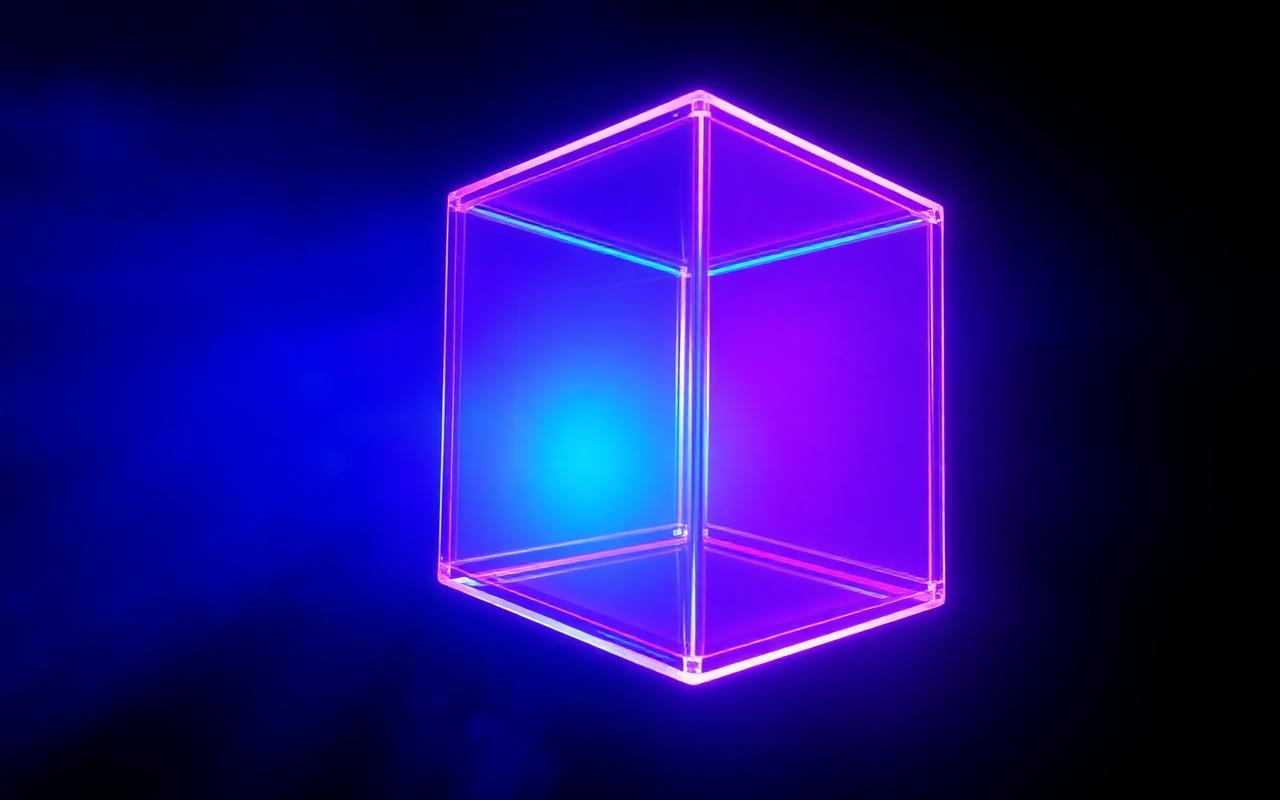
Nebula 3D
Rotating 3D cube hero with pointer-tilting feature cards.
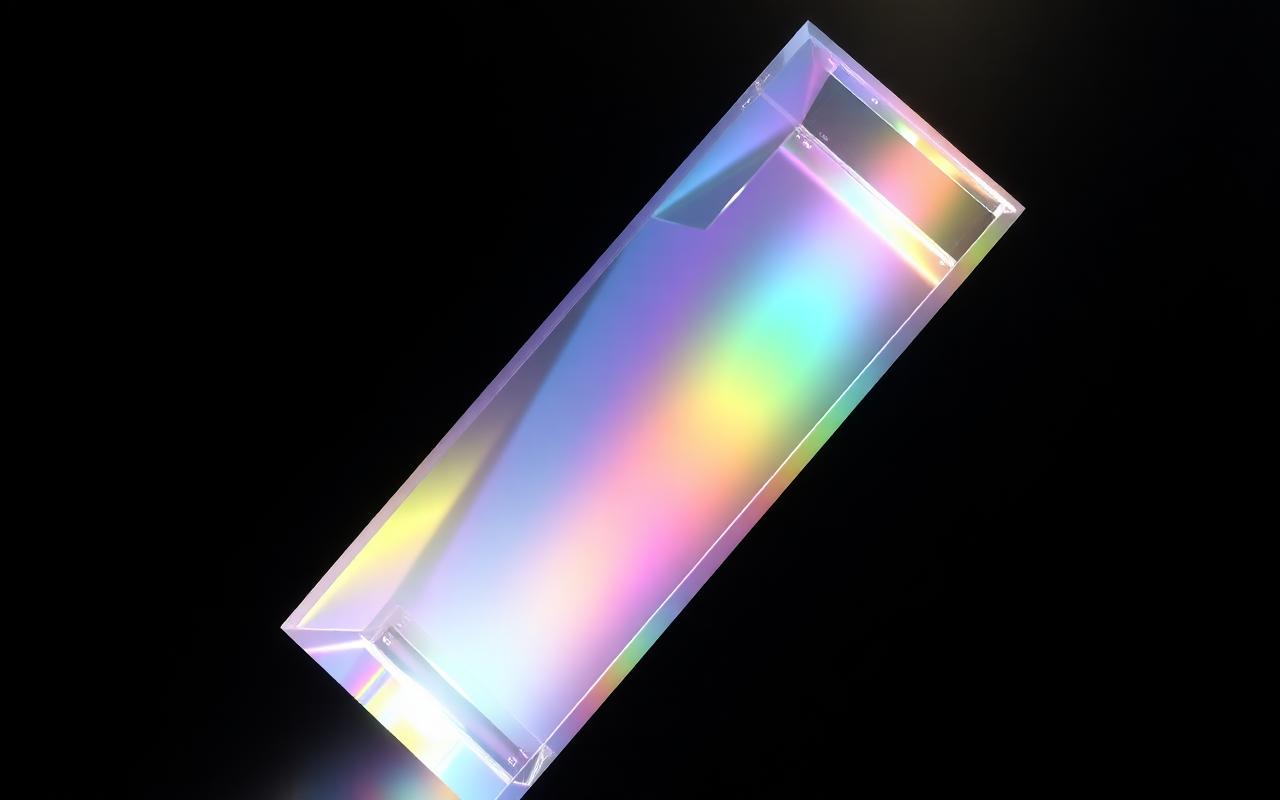
Prism 3D
Tumbling glass prism centrepiece with an editorial studio layout.

Orbital 3D
Glowing core with orbiting rings for launch announcements.
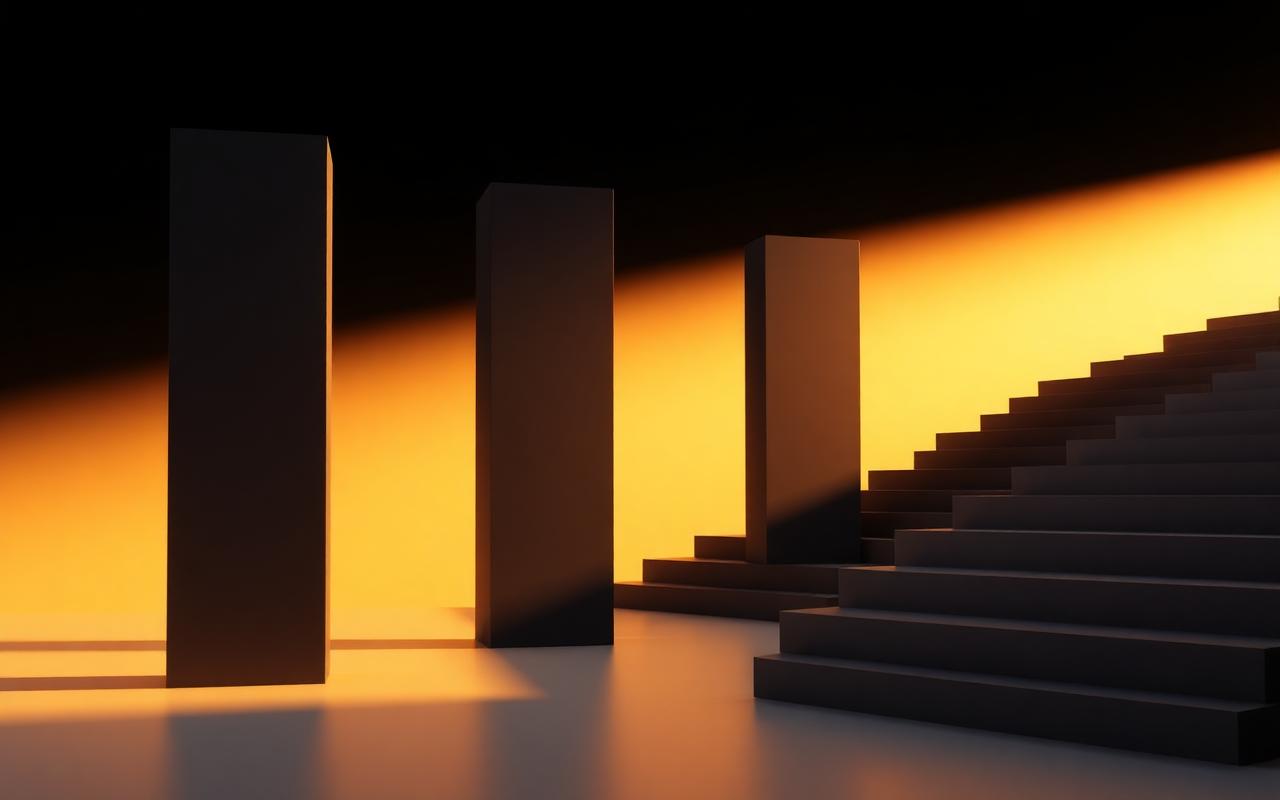
Monolith 3D
Tumbling depth slabs behind a stark typographic portfolio.

Helix 3D
Rotating helix of panels beside a crisp startup pitch.

Vortex 3D
Infinite ring tunnel behind an oversized uppercase hero.
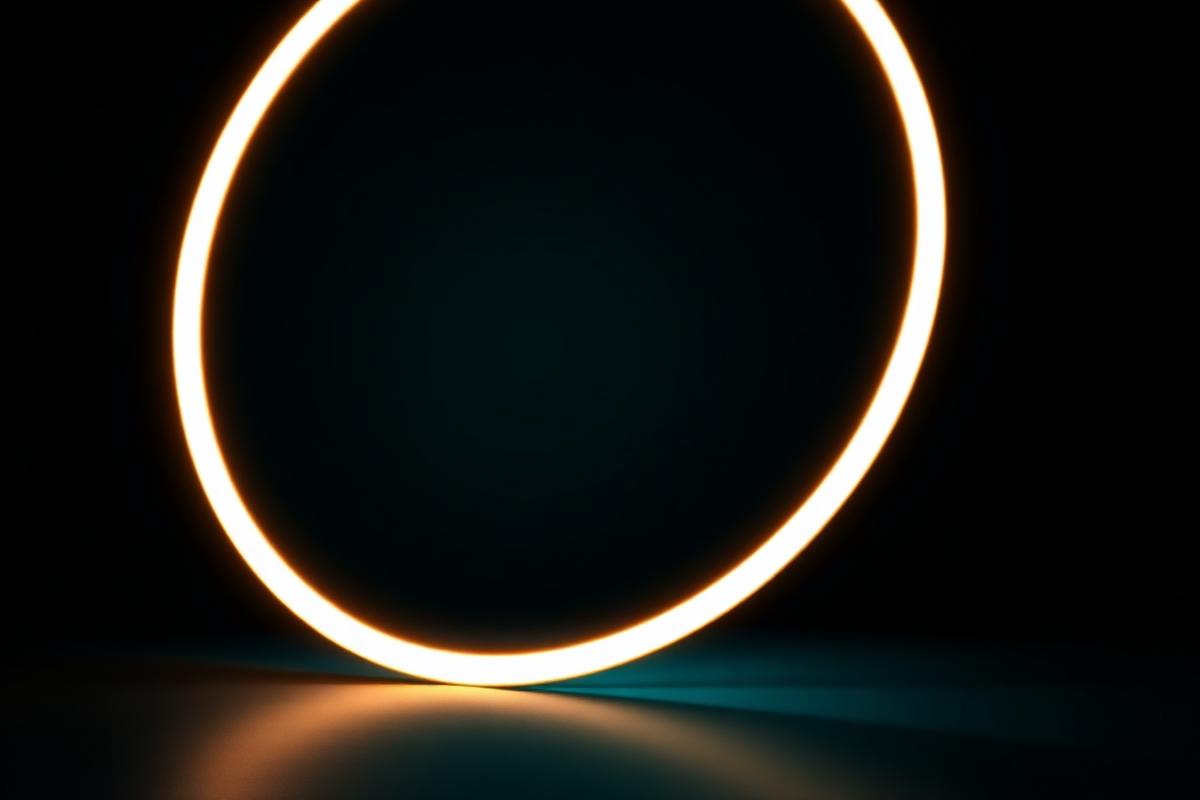
Halo 3D
Centred orbital halo hero with pointer-tilting cards.
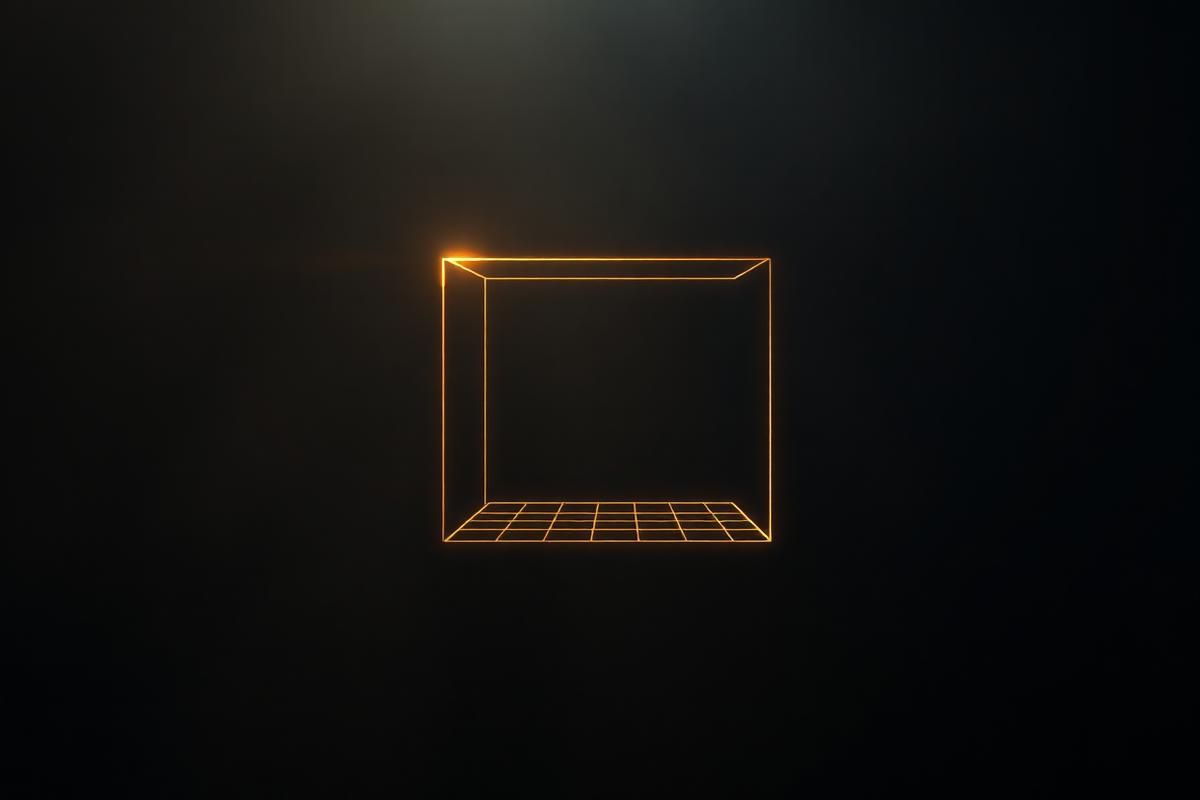
Facet 3D
Split hero with a rotating wireframe cube and numbered services.

Lumina
Gradient-glow feature cards on a deep, cinematic canvas.
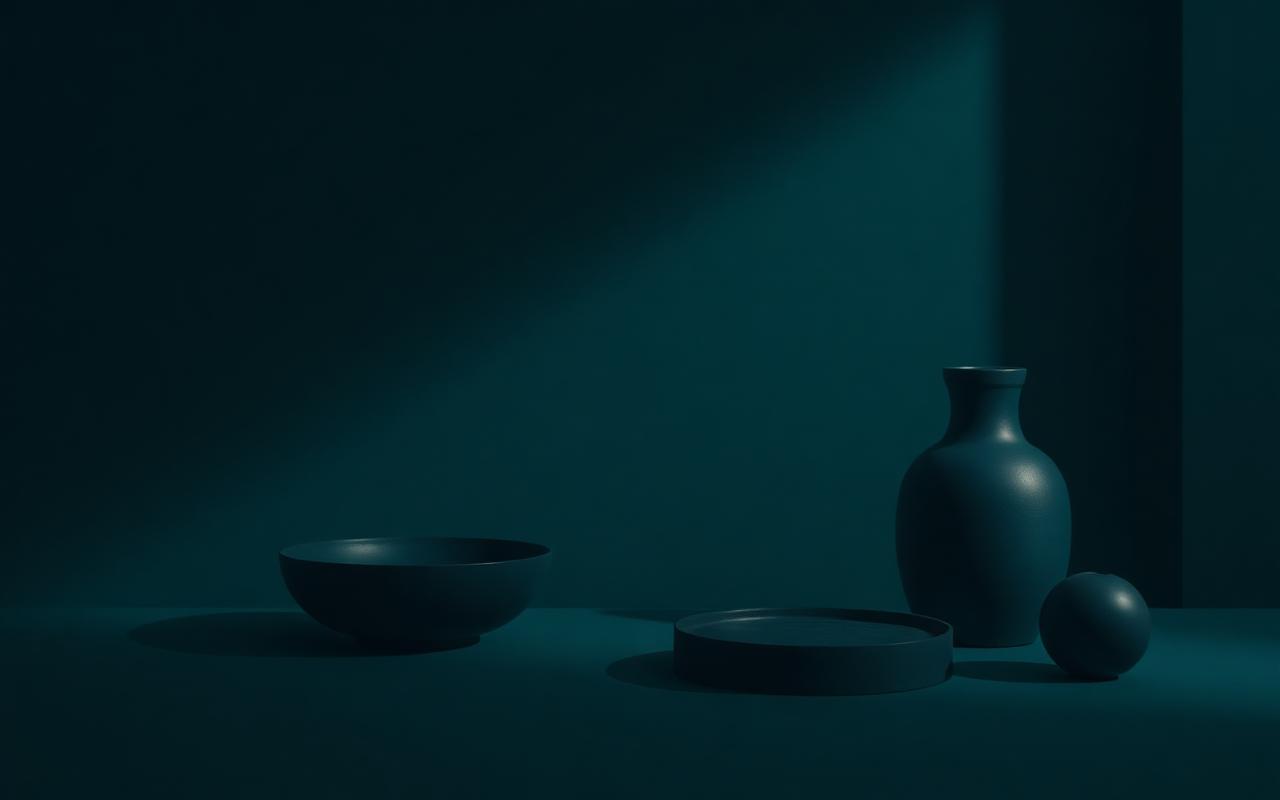
Atrium
Bento grid portfolio with marquee tool row and a headline stat.

Aether
Liquid-glass agency hero with a capabilities grid below.
Why React under the hood matters
Most AI site builders emit a flat HTML snapshot you cannot extend. PromptlySites.in templates are real React + TypeScript component trees, styled with Tailwind CSS and driven by a shared motion engine — so the site you publish is the same code a developer would write, not an approximation of it.
Motion is a first-class part of each template, not an afterthought: WebGL shader scenes, scroll-scrubbed video heroes and liquid-glass UI elements ship with reduced-motion fallbacks, so slower devices and accessibility settings get a smooth experience too.
And because the output is yours, signed-in users can export any generated site as a self-contained HTML file, a JavaScript bundle or a PHP template — fonts, palette and layout tokens included.
Frequently asked questions
- Are these actually built with React?
- Yes. Every template is a React + TypeScript component tree styled with Tailwind CSS, rendered by the same engine that powers your published site.
- Can I export the code?
- Signed-in users can download any generated site as a self-contained HTML file, a JavaScript bundle or a PHP template — fonts and styles included.
- How are these different from a generic React template?
- Each template ships a distinct design system — its own palette, typography pairing, motion profile and 3D or cinematic scroll engine — not one layout re-skinned.
- Do the motion-heavy templates hurt performance?
- Every template degrades gracefully: motion intensity and scroll animations can be reduced per visitor, and heavy scenes lazy-load behind static fallbacks.